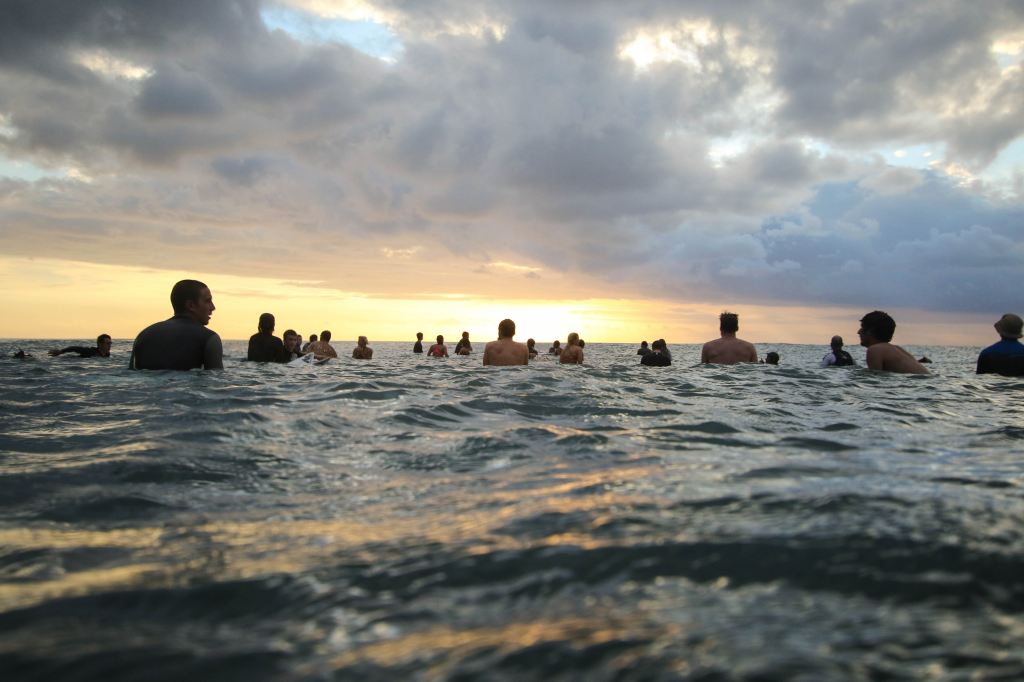
Photo by Jeremy Bishop
Surfing has always been associated with a sense of freedom and adventure. Riding the waves has been a way of life for many, but it has become a booming industry in recent years. Surf tourism has become a popular way to explore the world’s best waves, bringing millions of dollars to local economies. But with the rise of surf tourism comes social and environmental impacts that must be addressed. As surfers, we must understand our role in the surfing industry and how to minimize our impact on the places we visit.
Surf tourism has become a significant industry in places like Indonesia, Costa Rica, and the Philippines, bringing in millions of dollars annually. Surfers are traveling in search of the world’s best waves, and local economies benefit from the influx of tourism. This surge in surf tourism has led to the development of surf camps, resorts, and tours, creating jobs and boosting the local economy. However, the development of surf tourism comes at a cost.
Surf tourism can significantly impact the local communities where it takes place. In some cases, the influx of tourists can cause the displacement of locals who can no longer afford to live in the area due to rising rents. Developing surf resorts and camps can also cause environmental damage, and infrastructure construction can displace wildlife and disrupt ecosystems.
The environmental impact of surf tourism must also be addressed. Surfing spots are pristine locations that require careful protection to ensure their longevity. The construction of surf camps, resorts, and other infrastructure can cause damage to the surrounding environment. Surfers must take responsibility for the impact of their activities on the ocean environment. Reducing single-use plastics, using reef-safe sunscreen, and being mindful of our surroundings can go a long way to minimizing this impact.
As surfers, we are responsible to the local communities where we surf. This means respecting local customs, traditions, and cultures. We must also ensure our actions do not cause harm or conflict. When traveling to a surf destination, it’s essential to take the time to learn about the local culture, including the do’s and don’ts of polite behavior. Striving for cultural sensitivity, we can show respect to local communities and achieve harmony and mutual respect.
Surf tourism can have both positive and negative impacts socially and environmentally. We can shape surf tourism into a positive force with careful consideration and attention to social responsibility and environmental conservation. Together, we can create a future where surfing is a force for good, supporting local communities while safeguarding our oceans and coasts. Next time you take a surf trip be mindful of the locals, the ocean and the land!

 Bay Area Surf Club